

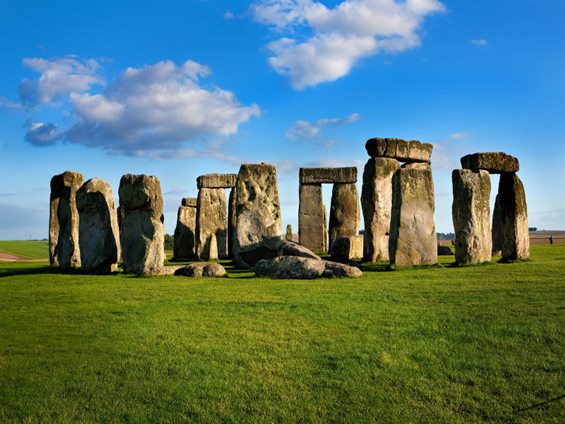
On a windswept plain in southern England, a circle of colossal stones has stood for more than 4,000 years. Some of them weigh as much as a school bus, dragged from miles away in an age before wheels and cranes. To walk among them today is to step into a puzzle that has captivated historians, scientists, mystics, and casual tourists alike: what was Stonehenge really built for?
Stonehenge wasn’t built overnight. Archaeologists believe construction began around 3000 BCE and unfolded in stages for over a thousand years. The site evolved from a simple earthwork ditch into the iconic ring of megaliths we know today. Imagine generations of people, each adding to a project they would never see completed, carrying stones from distant quarries with nothing more than wooden sledges, ropes, and raw determination.
The effort alone tells us Stonehenge mattered — not just to one tribe or leader, but to entire communities who gave up time and strength to create something monumental. But the why? That’s where the mystery deepens.
Theories Through Time
For centuries, explanations have swung between the practical and the fantastical. Medieval chroniclers credited the wizard Merlin with placing the stones by magic. In the 17th century, antiquarians thought it was a Roman temple. Later, it was suggested to be a druidic site — though the druids arrived in Britain thousands of years too late to have built it.

Today, scholars lean on evidence rather than myth. Excavations show it wasn’t just a circle of stones but a complex site used over millennia. Human remains reveal it may have been a burial ground early on. Alignments with the midsummer sunrise and midwinter sunset suggest it was also a kind of astronomical calendar. Others argue it was a place of healing, a prehistoric Lourdes where the “bluestones” from Wales were thought to hold special powers.
The truth may be that Stonehenge wasn’t built for one single purpose. Like a cathedral that hosts both worship and weddings, Stonehenge may have been a multi-use monument: sacred, social, and scientific all at once.
A Place Between Earth and Sky
Stand in the center of Stonehenge on the summer solstice, and you’ll see the sun rise perfectly over the Heel Stone, flooding the circle with light. That alignment can’t be accidental. It connects human ritual to cosmic order, the kind of symbolism ancient people lived by.
Think of Stonehenge as a prehistoric bridge between earth and sky. It gave structure to the year, marking the cycles of planting and harvest. It offered a place to honor the dead while celebrating the living. It gave communities a shared identity in a landscape where survival depended on cooperation.
Why the Mystery Still Matters
Even with all we know, Stonehenge resists being reduced to a single definition. And maybe that’s why it still matters. The stones remind us that mystery has always been part of human life. They show us a culture willing to move mountains — literally — for meaning.

Whether you see Stonehenge as a calendar, a temple, or a gathering place, its purpose may be less about the stones themselves and more about the people who stood among them. They built something to outlast them, and in doing so, they left us not just a monument, but a question that still sparks wonder thousands of years later.